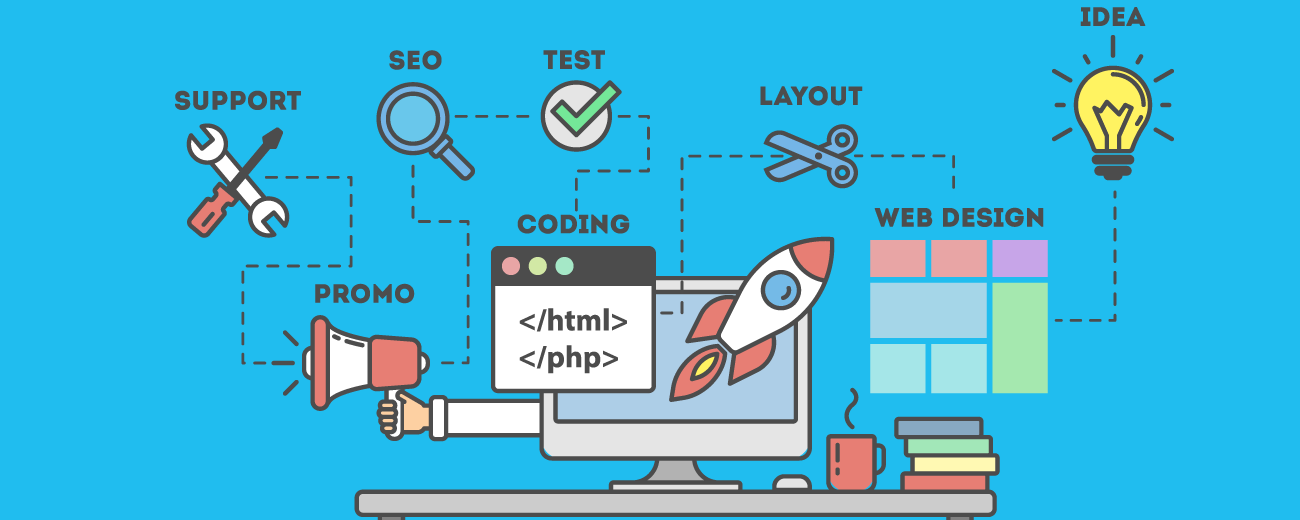
Fascinatingly, an interrelation between interior design and websites exists, more than one assumes. They mingle with creativity and functionality. Both should allow users or visitors to experience a definite impression. This synergy creates spaces that feel inviting, whether digital or physical. Hence, knowing the common grounds and dissimilarities will assist in producing some great possibilities in both. By leveraging these insights, one can create environments that resonate deeply with their intended audience.
Are you ready to get started? Let’s dive in.
Visual Appeal
Websites and interior design both focus on creating visually attractive elements. An effective website seizes viewer interest by employing color schemes alongside structural design and visual elements. Interior design employs furniture selection alongside color schemes and decorative elements to establish inviting spaces. Both mediums need to communicate a clear message. The necessity exists for them to stir emotional responses while crafting unforgettable experiences.
Functionality and Usability
Functionality is important in both aspects. It is essential to design websites to be user-friendly. Simple navigation will hold users with their interest. Create this also for the interior spaces: movement should be easy and practical within the space. A room properly designed allows easy interaction. Thus, functionality enhances satisfaction and experience overall regarding both.
Target Audience
Understanding the target audience is essential for websites and interior design work. All websites need to satisfy their user base by providing what they want. The platform must present information that remains relevant and accessible to all users. Interior design requires a representation of its residents’ lifestyle choices and aesthetic preferences. The understanding of your audience determines every choice you make across both fields.
Trends and Styles
Web design and interior decoration both evolve under trend influences. Web design frequently sees trends such as minimalism take center stage. A popular phenomenon in homes is a minimalist wabi-sabi interior design. Awareness of trends is essential to any brand’s relevance today. Balancing between the novelties and the perennial principles would be essential for a lasting effect.
Branding and Identity
Both websites and interior design heavily rely on branding. For websites to stand out, they must have a strong brand identity. Consistent typefaces, colors, and iconography are all part of this. The choice of materials and styles in interior design strongly communicates the brand’s identity. A unified strategy makes a lasting impression and reinforces the overall message.
Continuous Improvement
Both websites and interior designs require continuous improvement. Websites need regular updates for adapting to new user requirements. This process involves regular content updates and performance optimization. Interior spaces have the capacity to evolve. Regular changes in decor and layout help maintain an environment that remains fresh and captivating.
Websites and interior design share fundamental principles. The design team focuses on creating visually attractive interfaces while ensuring usability and audience comprehension. By examining shared traits and distinct characteristics, designers and developers can enhance their results in both domains. Maintain awareness of current trends while fostering creative thinking to create powerful experiences.